

How can brands increase perceived value in a category that is already part of everyday diets across different countries? For dairy, the answer lies in combining nutritional benefits, enjoyment and convenience through products that reflect the habits and expectations of each market.
Mintel’s analyses highlight different expressions of this movement. In Europe, the Middle East and Africa (EMEA), dessert-inspired yogurts for adults stand out, alongside recipes that emphasise natural ingredients and simpler ingredient lists. In Asia-Pacific (APAC), texture is taking centre stage in dairy yogurt innovation. In North America, protein is driving new product development, while Latin America is seeing products designed around consumption needs throughout the day.
Although approaches vary, these trends suggest a shared opportunity to make it clearer what each product offers and how it can fit into consumers’ daily lives.
Functionality with a clear proposition
Health and wellness are important drivers of dairy innovation, reflecting the functional health trend, but they take different forms across countries. In France, according to Mintel, the share of milk launches carrying functional claims increased from 8% to 20% between 2022 and 2025.
In the United States, the relevance of functionality is reflected in preferences for specific nutrients. According to Mintel’s 2025 research, 40% of US yogurt buyers cite high protein as the most important benefit when purchasing yogurt. In Brazil, 42% of consumers are interested in drinking more milk-based protein beverages, rising to 47% among Brazilian consumers of ready-to-drink chocolate milk.
The studies measure different behaviours, but together they reinforce protein’s role as an avenue for innovation across markets, in line with the Protein fortification trend. For brands, the opportunity lies in connecting this attribute to an easy-to-understand proposition that considers the format, audience and consumption occasion.
Fibre can broaden this proposition. In South America, 39% of consumers consider fibre important in their diets, according to Mintel. In Australia, 51% of Gen X consumers reported consuming functional foods or drinks containing probiotics in the three months preceding the 2025 survey.
The Australian finding covers functional foods and drinks in general, while the South American finding concerns the importance consumers place on fibre. Nevertheless, both provide a basis for exploring digestive health propositions in dairy, connecting with the High fibre & gut health trend. Combinations of protein, fibre and specific cultures can guide new product development, provided that the formulation supports the benefits and that they are relevant to the local audience.
Taste, texture and transparency support product choice
Nutritional value goes hand in hand with enjoyment. In the United Kingdom, 34% of category users eat spoonable yogurt or fromage frais to satisfy a sweet craving, according to Mintel’s 2025 research. This behaviour helps explain the rise of dessert-inspired flavours observed across EMEA.
Texture also offers opportunities for differentiation. Beyond its prominence in Asian innovation, Mintel identifies growing innovation in crunchy textures in dairy-based spoonable yogurts globally. Inclusions and contrasting textures can enrich the eating experience and create new reasons to choose a product, bringing the Sensory & flavour experience trend to life.
At the same time, ingredients influence perceptions of quality. In Germany, 43% of yogurt buyers cite naturalness as the most important health benefit when purchasing yogurt, according to Mintel in 2025. The company’s analysis of the “Free From” trend also highlights attention to labels and interest in simple, recognisable ingredients.
These signals suggest a strategy that can be applied across markets by developing nutritional benefits alongside the sensory experience and clear ingredient communication. The importance of each element needs to be assessed locally, but taste, texture and clarity can be addressed together.
Daily routines turn benefits into opportunities
Understanding consumption occasions helps give innovation a practical purpose. In Latin America, Mintel highlights product development aimed at meeting needs throughout the day. In Brazil, this opportunity builds on established habits. Some 59% of consumers drink milk with coffee, a cultural tradition, while 88% of snack consumers in the country express interest in options with functional benefits.
In the United Kingdom, eating yogurt to satisfy a sweet craving reveals another motivation. In Brazil, 34% of consumers eat yogurt as an evening snack. These examples show how the same category can serve different occasions, from breakfast to an indulgent break or a snack at the end of the day.
For other markets, the opportunity lies in applying the same approach to identify a relevant occasion, understand the associated need and develop an appropriate proposition. A preference observed in one country can inspire ideas for another, but local acceptance needs to be confirmed.
This approach also helps guide decisions on portions, packaging, flavours and positioning. A benefit becomes meaningful when consumers understand where the product fits into their lives.
Segmenting by needs increases relevance
Differences between audiences offer another perspective for product development. In Australia, consumption of functional products containing probiotics among Gen X consumers points to an opportunity to explore digestive health. In Brazil, 67% of baby boomers consider milk a good source of protein, indicating familiarity with an attribute that can support healthy ageing propositions.
Also in Brazil, 37% of consumers aged 35 and over, view yogurts and dairy drinks as meal replacements. This finding reflects a perception linked to convenience and nutrition, although it does not establish whether a product is nutritionally suitable to replace a meal.
These findings show why segmentation should consider needs and behaviours as well as age. Digestive health, convenience and maintaining physical function can guide different propositions, with priorities that need to be understood in each market.
Women’s needs illustrate this combination of global developments and local context. According to Mintel, food and drink launches targeting women grew by more than 7% globally between 2024 and 2025. In Brazil, 40% of women like foods and drinks with benefits suited to different times of day, while 58% eat yogurt as a snack and 49% consider it a good snack option.
In an adjacent category, launches of vitamins, minerals and supplements carrying skin, nail and hair claims increased by 10.7% in South America between 2023 and 2024. This development can inspire exploration of new needs, but does not, on its own, demonstrate equivalent demand for dairy products.
For brands, the strategy is to identify which needs justify a specific proposition and how to meet them consistently. Targeting an audience becomes more meaningful when it translates into relevant benefits, formats and experiences.
Credibility is also part of value
Beyond nutrition and experience, ethical and environmental credentials contribute to category positioning. In Germany, these claims appeared on 46% of milk launches in 2024, while natural claims featured on 43%, according to Mintel.
These percentages reflect launch activity in Germany rather than a global measure of consumer preference. Nevertheless, they show how value can encompass several dimensions, from ingredients to how a product is produced and presented.
The importance of these attributes may vary in other countries. Communication should therefore prioritise the differentiators that matter to each audience and support them with clear information. Packaging plays an important role in helping consumers recognise the main benefit and understand the product proposition.
Mintel’s data reveal diverse paths for dairy innovation. Protein in the United States, functionality in France, naturalness and environmental credentials in Germany, indulgence in the United Kingdom, textures in Asia and consumption occasions in Latin America illustrate priorities that can complement one another.
These local findings can inform a strategic approach across markets. Start with a concrete need, develop a formulation that meets it, preserve the sensory experience and communicate value clearly. The combination of these elements should reflect each country’s habits, expectations and market conditions.
Differentiation becomes stronger when global innovation finds a relevant local application. For the dairy industry, this means turning trends into products that offer clear reasons for choosing them and a defined place in everyday life.
Bringing trends to life with Barentz
Barentz concepts from EMEA and South America demonstrate how speciality ingredients can add value to familiar products. From fibre enrichment to tailored nutrition and indulgent textures, these examples show practical ways to connect nutritional goals with an enjoyable eating experience.
High fibre yogurt — EMEA
A creamy natural yogurt enriched with soluble fibre, providing 6.2 g of fibre per 100 g. Developed for breakfast and snacking occasions, the concept uses fibre with prebiotic properties to support gut health. Its stability during fermentation and under acidic conditions helps integrate fibre enrichment into yogurt, while natural flavours and fruit blends offer opportunities for customisation.
Creamy cheddar-flavoured sauce with collagen — South America
A creamy cheddar-flavoured sauce with added collagen, bringing protein enrichment into a familiar savoury format. The concept shows how collagen can expand ingredient possibilities beyond beverages and sweet products, combining added nutritional value with a creamy texture and cheddar flavour for everyday meals.
Force Pro dulce de leche dairy beverage — South America
A dulce de leche-flavoured dairy beverage combining 24 g of protein, 2.5 g of fibre and 1,000 mg of calcium per 250 mL serving. Designed to bring several nutritional attributes into one convenient format, the concept combines soluble fibre and added minerals with ingredients that support a creamy texture. Dulce de leche and vanilla flavours complete the indulgent profile, showing how nutritional enrichment can work alongside an enjoyable sensory experience.
Chocolate dairy beverage with an immune-support ingredient, iron and fibre — South America
A chocolate-flavoured dairy beverage developed with children in mind, combining 100 mg of yeast beta-glucan, 10 mg of iron and 2.5 g of fructooligosaccharide fibre per 200 mL serving. The concept combines an immune-support ingredient with iron enrichment and added fibre. The familiar chocolate format demonstrates how speciality ingredients can introduce additional nutritional value into an everyday dairy beverage.
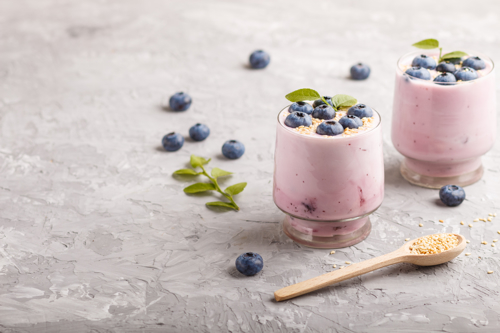

High-fibre yoghurt
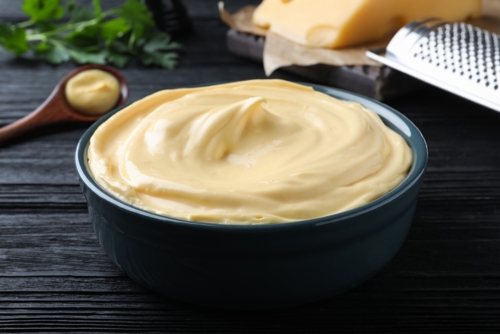
Creamy cheddar-flavoured sauce

Dulce de leche dairy beverage
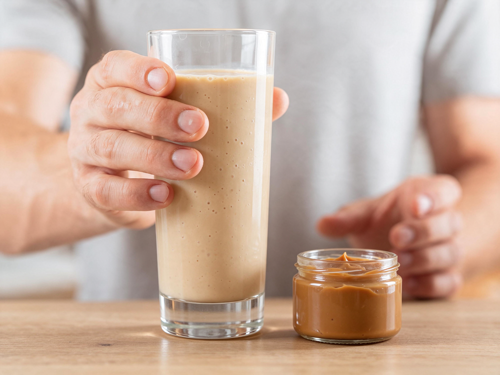
Chocolate dairy beverage